
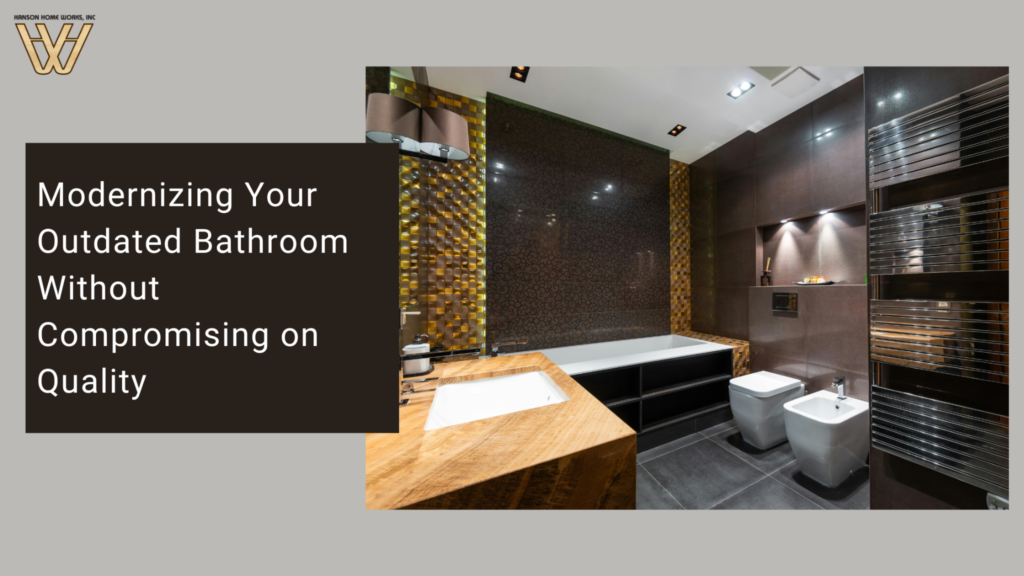
- Modernizing an outdated bathroom begins with understanding how the space actually functions day to day, allowing layout, flow, and storage decisions to solve real usability issues instead of masking them with surface updates.
- Choosing durable materials, thoughtful lighting, and well-coordinated vanities ensures the bathroom feels current while standing up to daily use, moisture, and long-term wear without constant maintenance.
- Careful execution, from preparation and ventilation to final adjustments, is what turns a renovation into a lasting improvement, creating a bathroom that feels settled.
Bathrooms tend to age quietly. One day, everything still works, and the next, the space starts feeling tired, cramped, or disconnected from how you live now. The fixtures feel dated. Storage never seems enough. Cleaning takes more effort than it should. And yet, the idea of renovating can feel overwhelming, especially when quality is non-negotiable. Modernizing a bathroom is not about chasing trends or tearing everything down for the sake of change. It is about thoughtful upgrades that respect what already works while improving comfort, function, and longevity.
Here is how to modernize an outdated bathroom without sacrificing quality at any step of the process.
1. Rethinking the Space Before Replacing Anything
Before new finishes or fixtures are chosen, modernization begins with understanding how the bathroom actually functions and where it falls short. Here is where clarity sets the foundation for everything that follows.
a. Understanding How the Bathroom Is Really Used
An outdated bathroom often struggles not because of age alone, but because it no longer fits daily routines. Morning traffic. Shared storage. Lighting that works for one task but not another. These friction points tend to build up quietly over time.
A successful update starts by observing how the space is used today. Who uses it. When it feels crowded. Where clutter collects. These insights shape smarter decisions than any trend ever could.
When layout and use are aligned, the bathroom immediately feels more modern, even before finishes change.
b. Identifying What Should Stay
Modernizing does not always mean starting from scratch. In many bathrooms, certain elements still perform well structurally. Plumbing locations. Window placement. Wall structure. Even some surfaces.
Knowing what can remain allows the project to focus its budget and effort where it matters most. This approach preserves quality by avoiding unnecessary disruption while improving the parts that truly need attention.
Good renovations respect the bones of the space.
c. Improving Flow and Proportion
Outdated bathrooms often feel awkward because of poor spacing. Tight clearances. Oversized vanities. Doors that swing into circulation paths.
Small layout adjustments can dramatically improve how the room feels. Shifting a vanity. Replacing a bulky door with a more efficient option. Reworking the shower footprint.
These changes modernize the experience without adding square footage. When movement feels natural, the bathroom stops feeling cramped and starts feeling calm.
d. Planning for Storage That Works
Storage is one of the biggest giveaways of an older bathroom. Shallow cabinets. Wasted vertical space. Overreliance on countertops.
Modernization is an opportunity to rethink storage entirely. Deeper drawers. Better organization. Smart use of wall space.
Well-planned storage reduces clutter and makes the bathroom easier to maintain, which is a quiet but powerful upgrade. The less time you spend managing clutter, the more the space supports your daily rhythm.
e. Setting Priorities Before Design
Not every upgrade carries the same weight. Some changes improve comfort. Others affect durability. Some simply add visual polish.
Defining priorities early prevents the project from drifting into surface-level changes that look good but fail long-term. Quality is protected when decisions are made with intention instead of impulse.
Clear priorities keep the project focused on what truly improves the space, not just what looks appealing in the moment.
2. Choosing Materials and Finishes That Hold up over Time
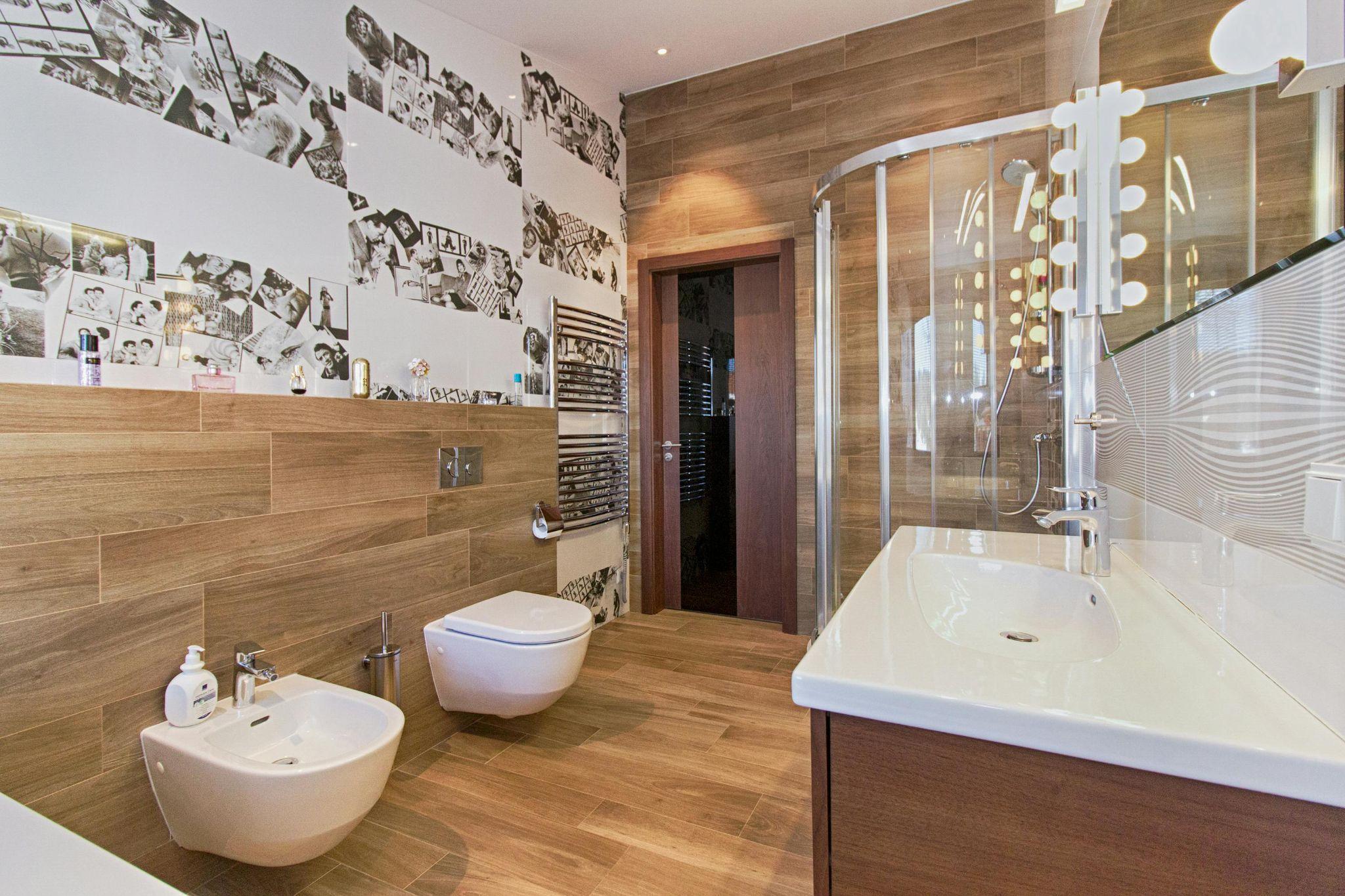
Once the foundation is clear, modernization moves into materials and finishes that balance appearance with performance.
This is where quality either shows itself or quietly disappears.
a. Selecting Surfaces That Can Handle Daily Use
Bathrooms are high-use spaces. Moisture. Temperature changes. Frequent cleaning. All of it adds up.
Modern finishes should be chosen for how they perform, not just how they photograph. Durable flooring. Moisture-resistant wall surfaces. Countertops that resist staining and wear.
The goal is a space that looks composed years later, not just on installation day. When surfaces are chosen with real life in mind, the bathroom stays reliable instead of becoming another thing to maintain.
b. Updating Fixtures Without Overcomplicating
Outdated fixtures often signal an older bathroom immediately. Faucets. Shower controls. Hardware.
Modern replacements focus on clean lines, reliable performance, and ease of use. Simplicity often reads more modern than overly decorative designs.
Good fixtures fade into the experience instead of demanding attention. The best updates are the ones you stop noticing because they simply work every time.
c. Coordinating Vanities and Storage Elements
Vanities play a central role in both function and style. Modern designs emphasize proportion, usable storage, and materials that age well.
Thoughtfully designed remodeling projects often integrate custom or semi-custom vanities that improve both layout and longevity without feeling excessive.
When storage and design work together, the bathroom feels intentional instead of pieced together. This coordination reduces clutter, shortens routines, and makes the space easier to live with day after day.
d. Lighting That Supports Real Tasks
Lighting is often overlooked in older bathrooms. Harsh overhead fixtures. Shadows in the mirror. Poor color rendering.
Modern lighting design layers task lighting, ambient light, and accent illumination. This improves usability while creating a calmer atmosphere.
Good lighting makes the entire space feel newer without changing anything else. It turns everyday moments into easier ones, especially during busy mornings and quiet evenings.
e. Balancing Style with Longevity
Trends come and go quickly, especially in bathrooms. Modernization should not mean locking the space into a look that feels dated in a few years.
Neutral foundations with thoughtful details allow the bathroom to evolve without needing another renovation. This restraint is a key marker of quality work.
When style is handled with subtlety, the space remains current even as tastes and habits change.
3. Executing the Update with Craft and Care
The final phase of modernization is execution. Even the best design fails without proper installation and project management.
This is where quality becomes visible in the details.
a. Precision in Demolition and Preparation
Modernizing an existing bathroom requires careful removal, not brute force. Protecting the surrounding areas. Preserving structural integrity. Preparing surfaces properly.
Rushed prep work often leads to long-term issues that undermine the entire project. Quality begins before the first new material goes in.
When prep is done right, everything that follows fits better, lasts longer, and performs the way it should.
b. Installation That Respects Materials
Tiles. Fixtures. Waterproofing systems. Each material has specific requirements. Experienced installers understand how these elements work together. Proper slopes. Correct spacing. Clean transitions.
These details are not obvious at first glance, but they determine how the bathroom performs over time.
Good installation does not call attention to itself; it quietly prevents problems you never have to deal with later.
c. Managing Moisture and Ventilation
Outdated bathrooms often struggle with moisture control. Poor ventilation leads to mold, peeling finishes, and premature wear.
Modernization should always address airflow and moisture management. Improved ventilation protects finishes and preserves indoor air quality.
This invisible upgrade has one of the biggest impacts on longevity. It is the difference between a bathroom that stays fresh and one that slowly deteriorates behind the scenes.
d. Maintaining Clean Work Practices
Living through a bathroom update can be stressful. Clean job sites. Clear schedules. Organized workflows reduce disruption.
Working with expert service technicians who respect the home makes the process smoother and more predictable.
Quality is not just the final result. It is the experience along the way. A well-managed project lets life continue normally instead of feeling like everything is on hold.
e. Final Adjustments That Make the Difference
The last stage often separates average work from excellent work. Alignments. Seals. Hardware tuning. Finish protection.
A modern bathroom should feel settled the moment it is finished. When nothing feels off, out of place, or unfinished, that confidence stays with you every time you use the space.
When Quality Becomes the Quiet Upgrade
A well-modernized bathroom does not announce itself loudly. It simply works better. Mornings move more smoothly. Cleaning takes less effort. The space feels calm instead of cramped. True quality shows up in how little you have to think about the space once it is done. No workarounds. No regrets. No early repairs. Just a space that supports daily life without asking for attention. That is the difference between a quick update and a thoughtful modernization built to last.
Hanson Home Works Inc brings experience, care, and long-term thinking to every bathroom update, ensuring modernization never comes at the expense of quality. Call us at 8019208677 to explore a bathroom renovation that feels current, functions better, and holds its value for years to come.